
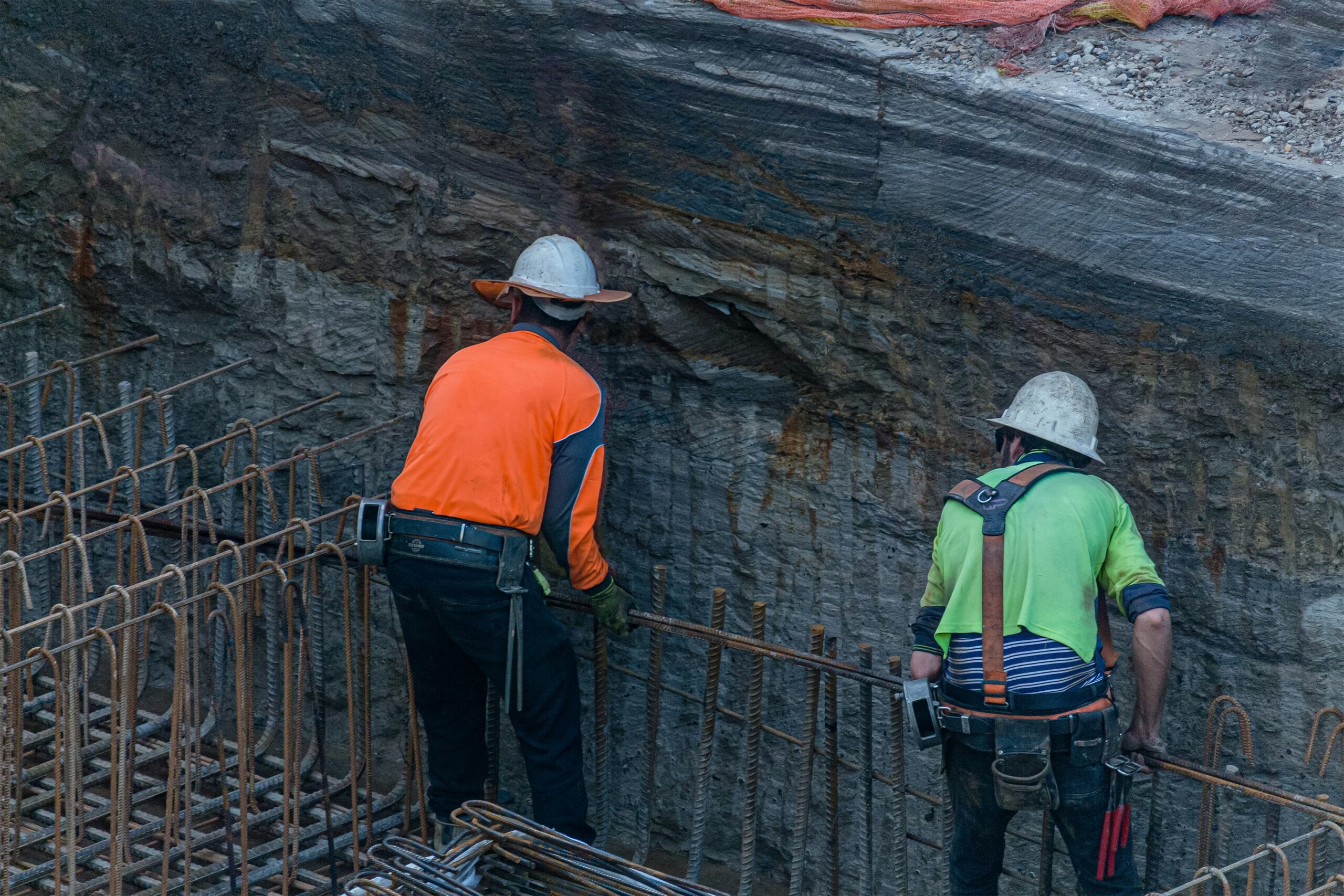
Level 2 NVQ in Steel Fixing
The modern United Kingdom civil engineering sector expands at an exceptional pace across all major regions. Consequently, principal contractors continuously hunt for verified reinforcement specialists to build resilient commercial structures. Working without formal trade credentials can severely limit your access to major Tier 1 infrastructure projects. Earning your Level 2 NVQ in Steel Fixing provides the ultimate solution for active construction hands.
This work-based assessment path delivers a respected, industry-recognized training program for active reinforcement installers. Therefore, completing this NVQ steel fixing program completely transforms your professional profile and unlocks restricted construction zones. This comprehensive guide breaks down the framework, assessment modules, earnings, and long-term site compliance paths.
What is the Steel Fixing Qualification
The Level 2 NVQ in Steel Fixing is a work-related, competence-based qualification for active UK tradespeople. It officially validates your practical capability to cut, bend, prefabricate and install reinforcement steel sections without classroom exams.
This practical training path allows you to gain information and crucial trade skills. Specifically, you master general health, safety, and welfare frameworks within your active working environment.
Learners develop an excellent understanding of reinforcement trades while maintaining their normal daily shifts. Additionally, you master moving, taking care of, and putting away heavy supplies safely on-site. Thus, it confirms your total operational efficiency on modern concrete developments.
Why The Steel Qualification Matters
Operating on high-stakes infrastructure developments without formal trade credentials severely restricts your daily earning power. Furthermore, it blocks your access to Tier 1 principal contractors who enforce strict safety regulations. Achieving this official NVQ steel fixing certification matters immensely for your long-term employment stability.
Because of this, the certificate reassures potential employers, industry supervisors, and engineering managers. They receive physical proof that you possess the exact skills required by British national standards. Consequently, you can complete demanding rebar installations safely within given timescales and engineering specifications.
Who Should Complete the Steel Fixing Qualification?
This competence-based assessment path satisfies the training needs of various engineering workers perfectly. In addition, it targets professionals who want to formalize their previous practical tools experience.
- Employed Fixers: Active installers who wish to improve their career prospects and pay rates immediately.
- Future Business Owners: Individuals who aim to start their own independent reinforcement subcontracting firm eventually.
- Site Apprentices: Students with a part-time job that allows them to gain necessary workplace skills.
- Experienced Handymen: Unticketed ironworkers seeking official acknowledgement of their industrial practices and background.
Eligibility Requirements for the Steel Fixing Qualification
Because this program evaluates your active workplace competence, traditional academic entry rules do not apply. Therefore, you do not need school diplomas or specific grades to register for the track.
- Active Site Placement: You must currently work in a reinforcement role to gather evidence.
- CITB Health and Safety Test: You must pass the relevant touch-screen test recently.
- Basic Practical Experience: You need enough trade exposure to confirm your competence during initial interviews.
Units Included in the Steel Fixing Qualification
To achieve your certificate, your portfolio must display complete compliance across mandatory training units. Subsequently, these modules outline the baseline operational benchmarks required on all UK concrete projects.
Health and Safety Responsibilities
This baseline module confirms your complete understanding of workplace risk prevention frameworks. For example, you will prove you can conform to general health, safety, and welfare guidelines. Additionally, you will maintain clear escape routes across busy groundworks zones.
Reading Reinforcement Drawings
Modern engineers design intricate steel matrices to handle immense structural tension forces safely. Consequently, you must interpret scheduling documents, bending codes, and spatial layout drawings perfectly. Overall, this technical training eliminates positioning errors before concrete teams arrive on-site.
Cutting, Bending, and Fixing Reinforcement Steel
This core practical unit tests your ability to manipulate heavy high-tensile metal bars safely. Specifically, you master cutting and bending reinforcement steel to shape within the working environment. Thus, you shape components precisely according to rigid UK civil engineering specifications.
Installing Reinforcement for Concrete Structures
Heavy infrastructure projects require robust structural frames to support massive foundation loads permanently. Therefore, you will specialize in preparing and fixing steel structures within the workplace. As a result, you build highly resilient structural matrix frameworks that resist extreme tectonic loads.
Inspecting Reinforcement Before Concrete Placement
Before pouring teams seal structural cages, fixers must guarantee absolute geometric accuracy. Consequently, you learn to prefabricate reinforcement steel sections within the working environment flawlessly. Moreover, you will verify that all wire ties match specific engineer specifications perfectly.
Workplace Communication and Teamwork
Busy concrete pouring schedules move extremely fast, meaning poor communication causes severe project delays. Meanwhile, this unit checks your ability to conform to productive working methods within your environment. Finally, you will demonstrate clear cooperation to finish assignments inside given timescales.
Summary of the Level 2 NVQ Steel Fixing Framework
To help you plan your professional development schedule, we summarize the qualification parameters below:
| Qualification Parameter | Standard Industry Requirements |
| Official Title | Level 2 NVQ Certificate in Steel Fixing |
| Assessment Strategy | Work-based portfolio evaluation (Zero classroom examinations) |
| Average Completion Time | 3 to 6 Months (Varies based on workplace evidence) |
| Mandatory Document Output | Practical evidence folder verified by a qualified assessor |
| Primary Career Outcome | Full eligibility for the Blue CSCS Skilled Worker Card |
| Long-Term Progression Track | Foundation to advance into NVQ Level 3 supervisor roles |
How the Steel Fixing Qualification Assessment Works
The assessment procedure guarantees that you can successfully complete your allocated installation tasks. Identically, it confirms that you fully comply with current legislation and company procedures. Your assigned assessor works closely alongside you to review your physical working habits.
The installer will be observed and assessed by the specialist assessor during standard daily shifts. Subsequently, you display that you can carry out trade activities competently. Overall, this verification guarantees you understand instructions and direction perfectly.
Evidence Required for the Steel Fixing Qualification
You will construct your practical evidence portfolio naturally during your standard weekly working hours. Therefore, you never have to lose your valuable daily shift income.
- Direct Assessor Observations: Your assessor visits your active project to watch your tie-wire techniques.
- Professional Discussions: Recorded voice conversations where you explain your specific bar bending methods.
- Witness Testimonies: Signed statements from your site managers confirming your long-term occupational competence.
- Workplace Documents: Copies of completed bar schedules, daily risk assessments, and tool-box talk registers.
- On-Site Photographs: High-quality photos showing you moving, taking care of, and putting away supplies.
Completing the NVQ While Working
The greatest operational advantage of this work-related NVQ steel fixing program is its total flexibility. In fact, you never have to step foot inside a crowded local college classroom. Instead, you maintain your regular commercial framework installation output seamlessly.
Your assessor schedules their physical site evaluations around your current foundation or retaining wall contracts. Consequently, they verify your ability to operate heavy hydraulic bending machinery without halting your productivity. Thus, the entire process remains completely straightforward.
CSCS Card Opportunities After the Steel Fixing Qualification
The main objective for most UK professionals is upgrading their site access credentials. However, most commercial developers now ban rebar specialists who hold temporary green cards.
Completing this program makes you eligible for a Blue CSCS Card in Steel Fixing. Therefore, this card displays your certified technical trade status on the back permanently. As a result, it instantly secures your entry to high-paying engineering projects nationwide.
Benefits of Earning the Steel Fixing Qualification
Completing this competence-based path delivers immediate practical rewards for your structural engineering career. Overall, it gives you a distinct advantage over uncertified installers.
1. Instantly Qualify and Start Earning More Money
Unqualified steel hands generally get restricted to basic flat minimum day-rates. On the other hand, certified blue cardholders can negotiate lucrative price-work rates easily.
2. Assure Potential Employers of Your Competence
This certificate reassures prospective managers that you have the skills to meet the national standard. Furthermore, it proves you understand modern concrete reinforcement regulations completely.
3. Long-Term Career Progression
The program gives learners a firm foundation to advance and progress within the industry. Consequently, you can eventually move into site management or start an independent company
Career Opportunities and Salary Expectations
The UK industrial sector faces a massive shortage of qualified concrete reinforcement professionals. Because of this, earning your certificate positions your skills far ahead of the competition.
Qualified, blue-carded steel fixers routinely earn between £180 and £280 per day. Moreover, fast-paced structural installation specialists can generate even larger weekly returns on complex commercial projects. Therefore, the initial assessment investment pays for itself within a couple of weeks.
Course Duration and Costs
Because this portfolio path relies on your personal work speed, you dictate the completion timeline. Typically, most active steel fixers finish their folders within 3 to 6 months.
The financial cost for this workplace qualification ranges from £800 to £1,400. Template wise, many UK companies registered with the CITB can claim substantial training grants. Thus, business owners can frequently cover the assessment fees entirely for their workforce.
Tips for Passing the Steel Fixing Qualification
Passing your final portfolio audit requires an organized, proactive approach to collecting daily workplace documents. Next, follow these helpful recommendations to accelerate your certificate approval:
- Collect Documents Constantly: File away every bar schedule and safety briefing you sign on-site.
- Capture Clear Images: Ensure your workplace photographs show your face, task, and full PPE clearly.
- Coordinate with Your Assessor: Respond to their text prompts quickly to maintain steady portfolio progression.
- Prioritize Safety Rules: Always use your heavy-duty rebar nips and industrial gloves according to safety guidelines.
The modern UK construction sector moves steadily toward mandatory qualification checks for all external structural trades. Therefore, working without formal accreditation caps your earning power and limits your professional growth. Earning your official NVQ steel fixing qualification secures your workplace future.
Overall, this certificate unlocks superior commercial contracts, higher daily rates, and long-term site security. Consequently, you should not delay your career development. Contact an approved training center, register your portfolio, and upgrade your site status today!